
When work moves between emails, messages, spreadsheets and people, things get lost.
Operialis helps orchestrate processes, data, documents, and operational activities around the points where work loses time, fragments, or becomes hard to control.
Where we can help
We do not start with software. We start where work slows down, becomes fragmented or gets difficult to control.
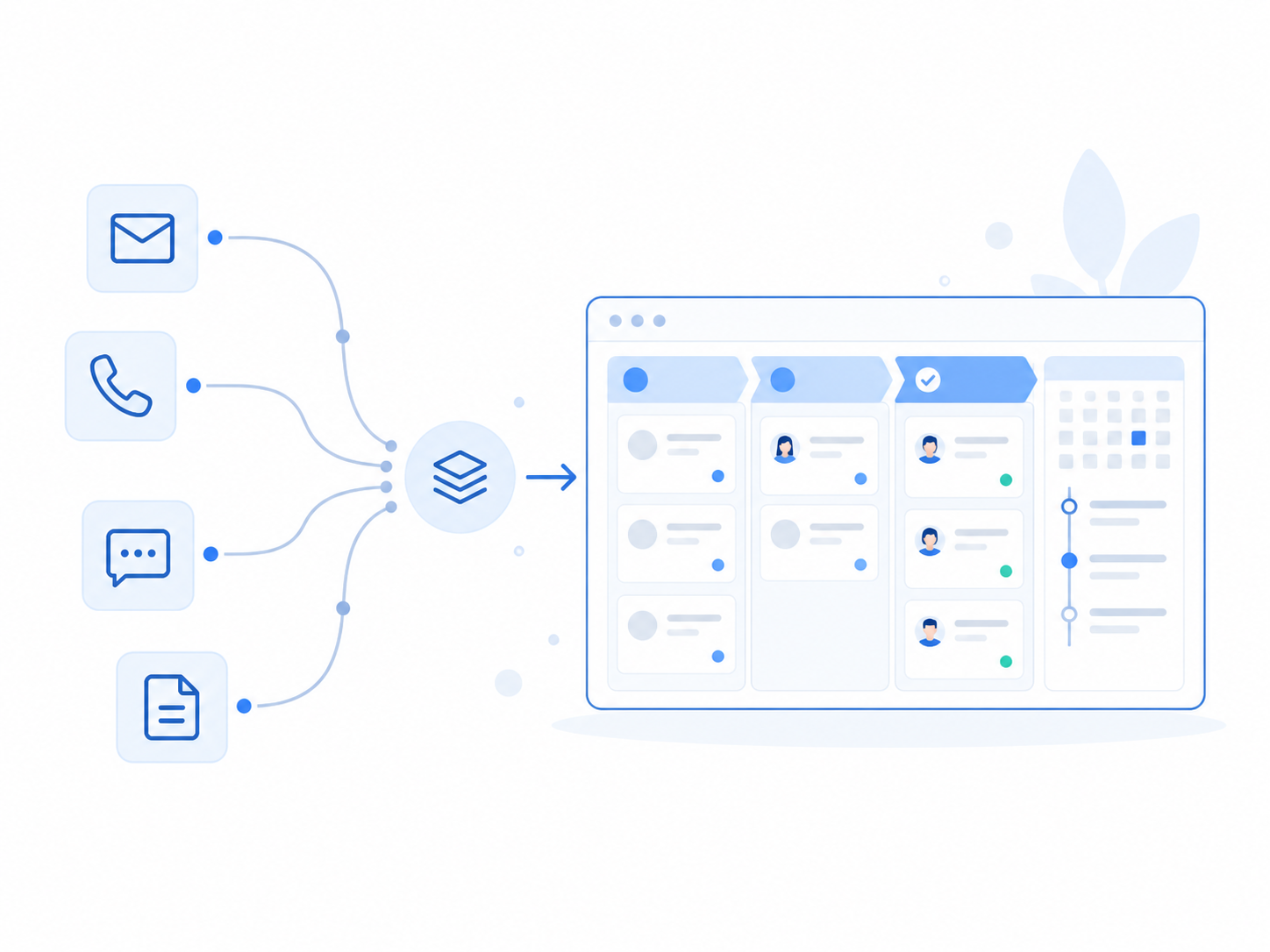
Requests & operational work
When requests, activities and responsibilities move between emails, calls, messages or separate spreadsheets, priorities and updates are easily lost. We can turn those handoffs into a clear workflow with ownership, deadlines and visible status.
Examples: requests · tasks · assignments · deadlines · follow-up
Documents & decisions
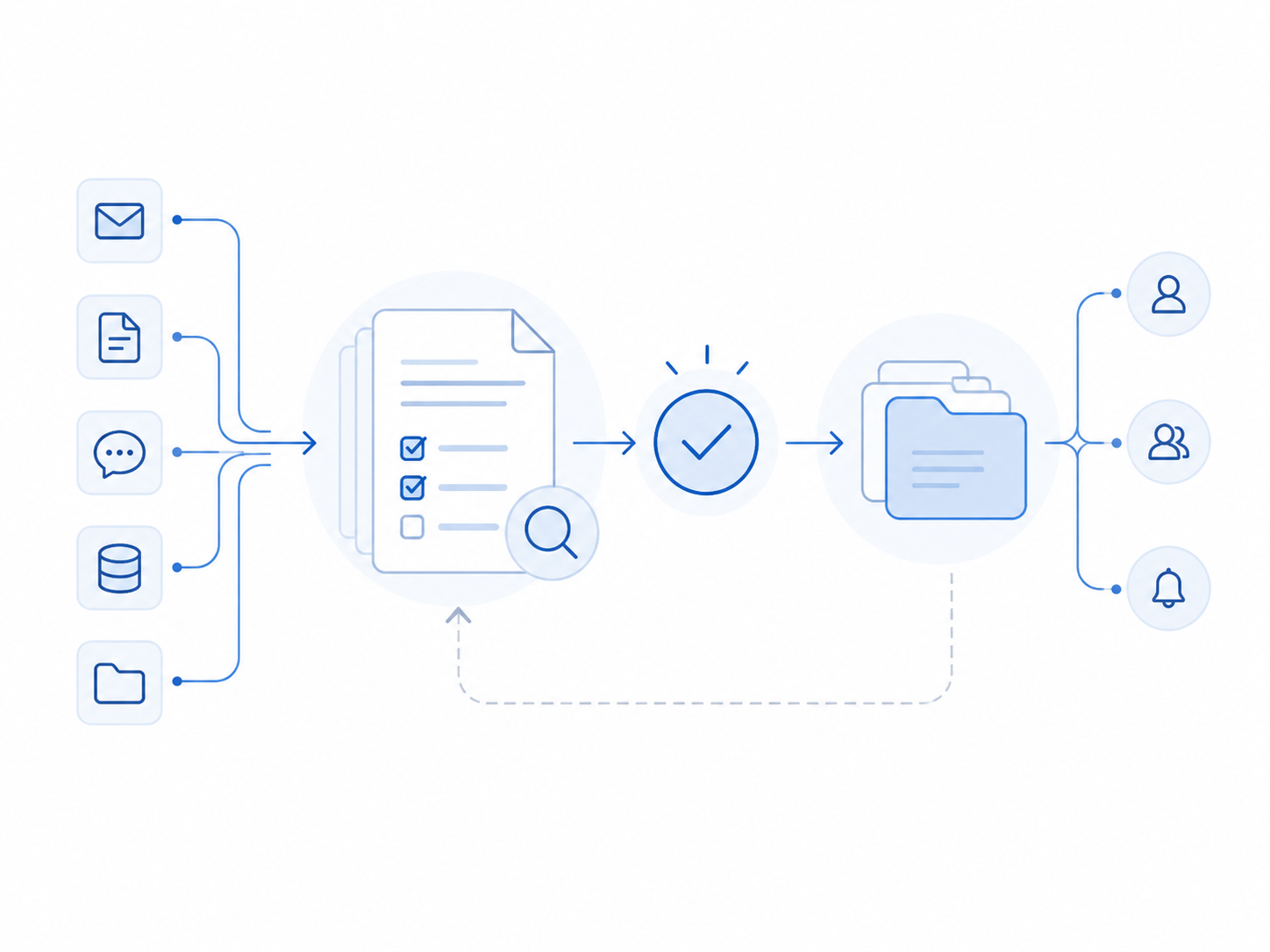
Documents and information often arrive from different sources and require manual checks, approvals and follow-ups. We can organise these steps into a traceable process that reduces chasing and duplication.
Examples: documents · forms · checks · approvals · evidence
Field operations
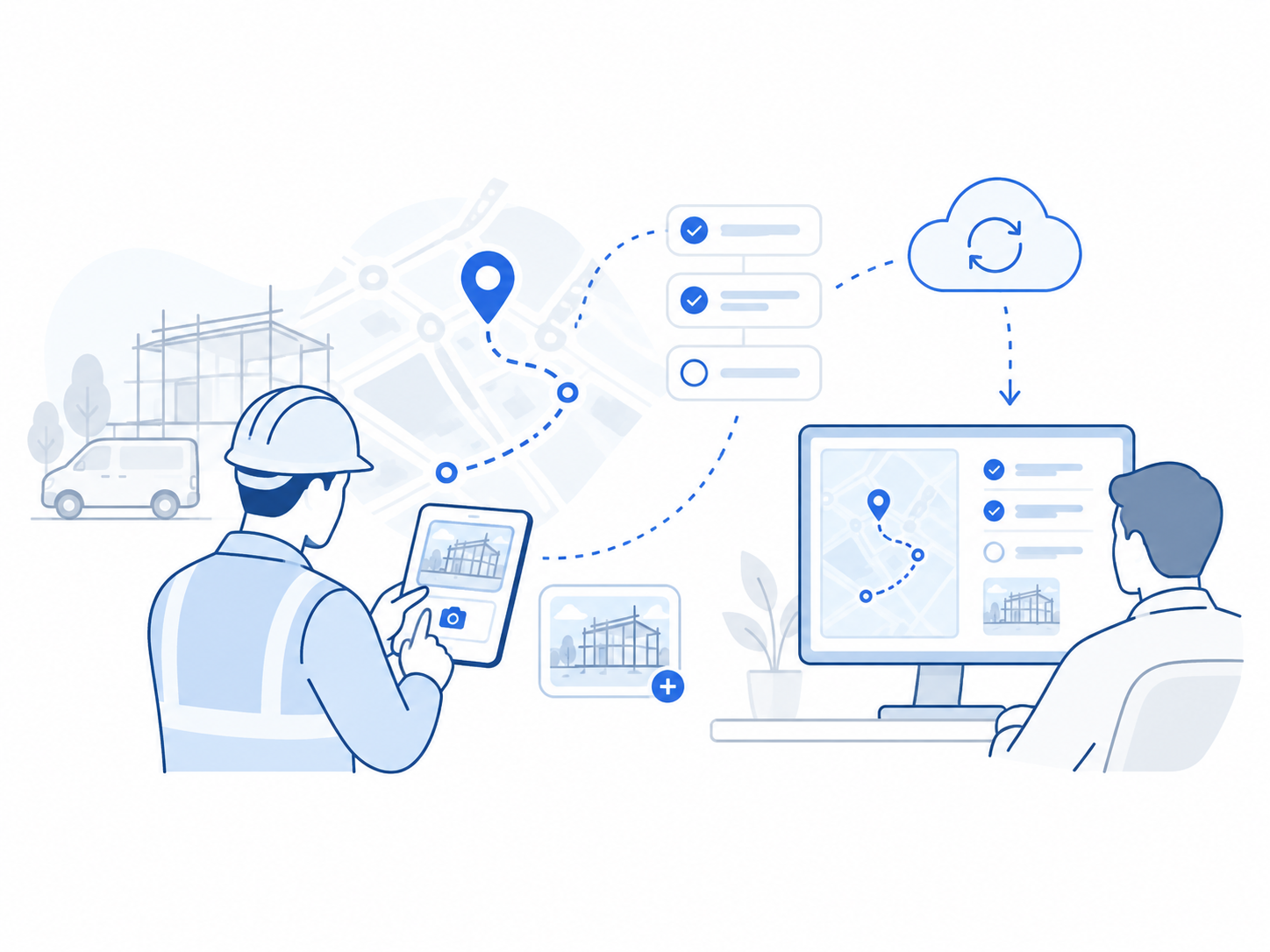
Interventions, inspections, site visits and technical activities work better when field teams and office teams share the same operational flow and information.
Examples: interventions · site visits · inspections · photos · closures
Control & visibility
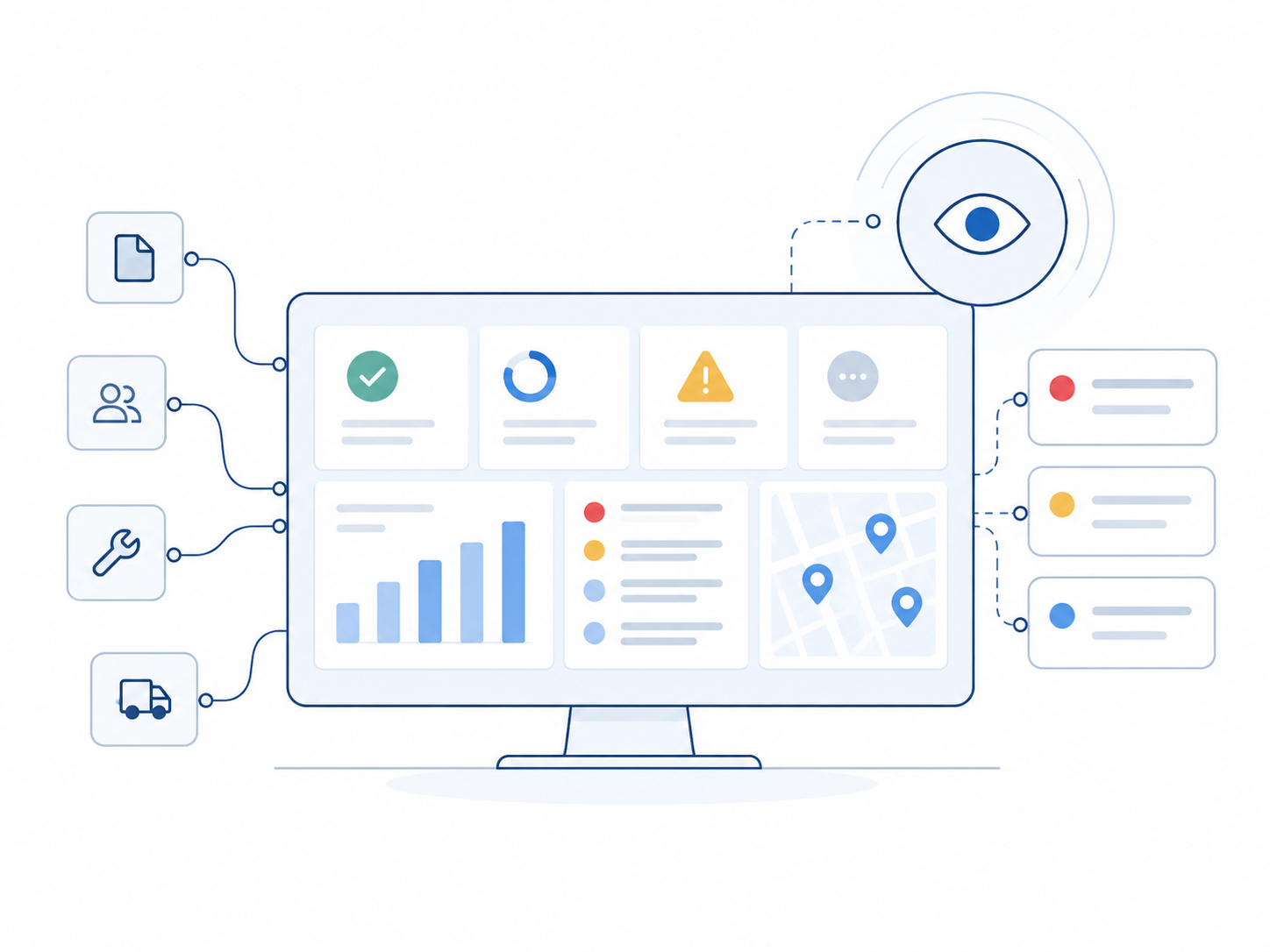
If understanding the status of work requires chasing updates, opening multiple files or manually rebuilding information, there is no shared operational view. We can make status, exceptions and key information easier to see.
Examples: status · progress · exceptions · reporting
From a request to a completed, traceable job
How it usually works today
- A request arrives by email or phone.
- It is forwarded or added to a spreadsheet.
- The work is assigned through a message.
- Updates, photos and evidence arrive separately.
- Someone eventually has to reconstruct what happened.
One request can become one operational process from arrival to closure.
- RequestReview
- AssignmentScheduling
- ExecutionEvidence
- ClosureVisibility
Capture and understand
The request enters one process, is recorded and reviewed without reconstructing it from emails, messages or calls.
Assign and organise
Ownership, priorities and timing are clear before the work starts.
Execute and document
The person doing the work can update progress and capture the required evidence as the activity happens.
Close and know what happened
Closure leaves a complete record and makes status visible without chasing updates.
- Clear ownership
- Shared status
- A complete record
From document to decision, without chasing information
The friction
Information arrives from different places. Someone has to check it, someone must approve it, and people chase status along the way.
- Arrival
- Information
- Check
- Approval
- Record
- Notification
The same principle can apply to supplier documents, purchase requests, forms, quotations, certificates, internal records and many other document-led workflows.
Where it helps, information can be extracted automatically. That is optional, not a step we force onto every process.
We do not adapt your business to the software.
Every business works differently. We start with the existing processes to understand what should stay, what can be simplified, what needs to connect and what is genuinely worth automating.
Understand
How your processes really work today.
Simplify
Remove unnecessary or duplicated steps.
Connect
Relevant people, information and tools.
Automate
Only where it creates real operational value.
Different processes. One operational layer.
Operialis is the operational layer we design around your processes: connecting the people involved, the information they need, the tools already in use and the automation that makes the work easier to execute and control.
Where it makes sense, existing tools can remain part of those processes. The goal is not to replace everything, but to make the operation work better.
Let’s start with the real processes in your business.
Show us how they work today. We can identify where time is lost, what could be simplified and what is worth automating.